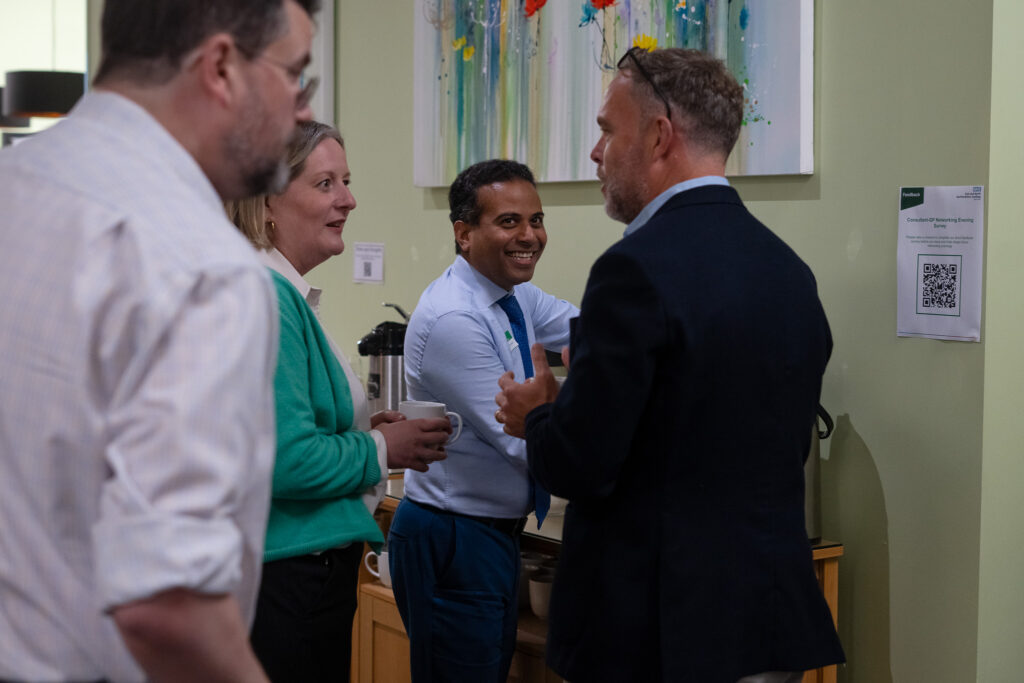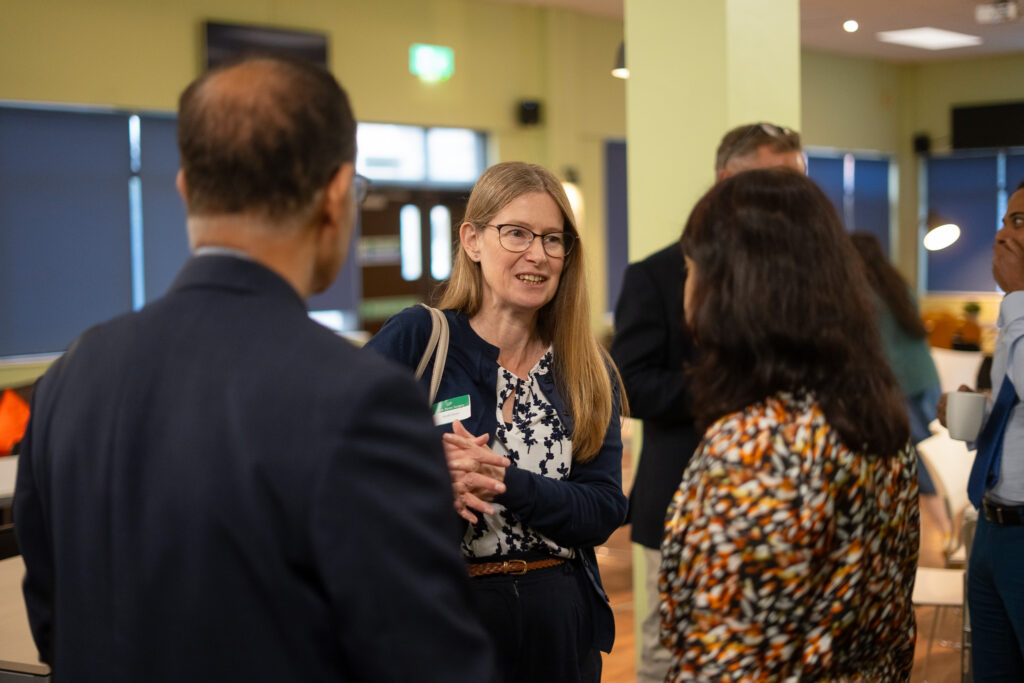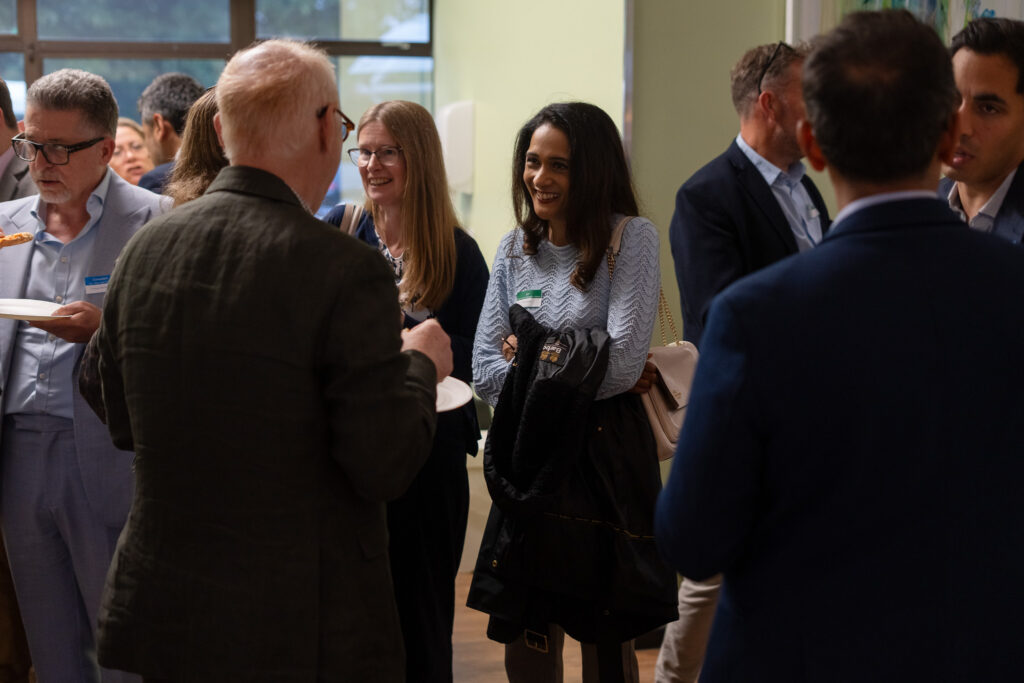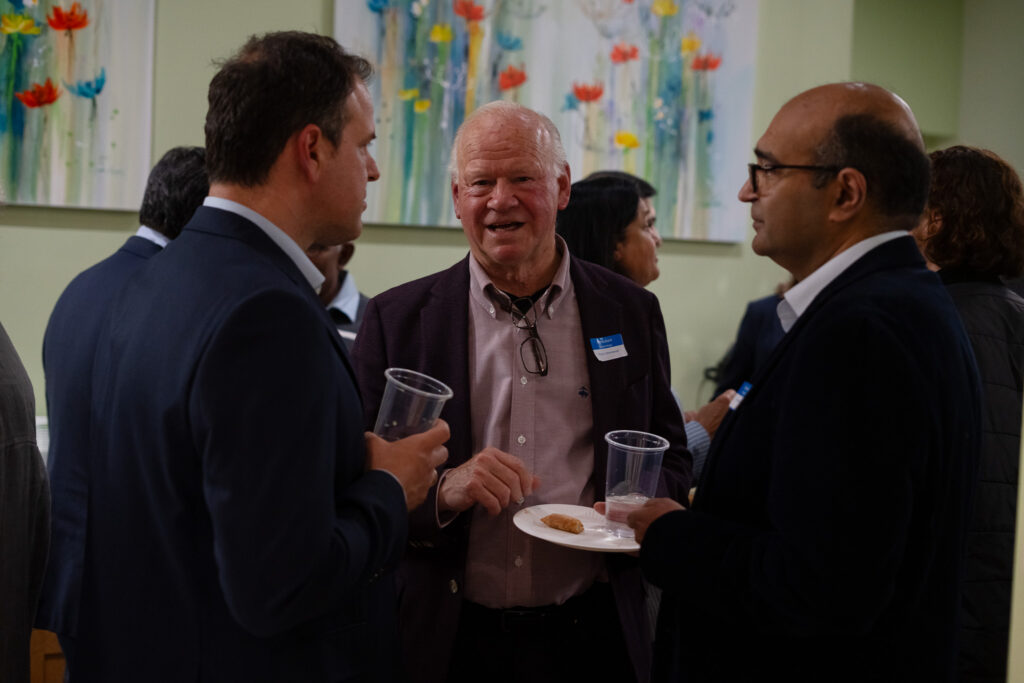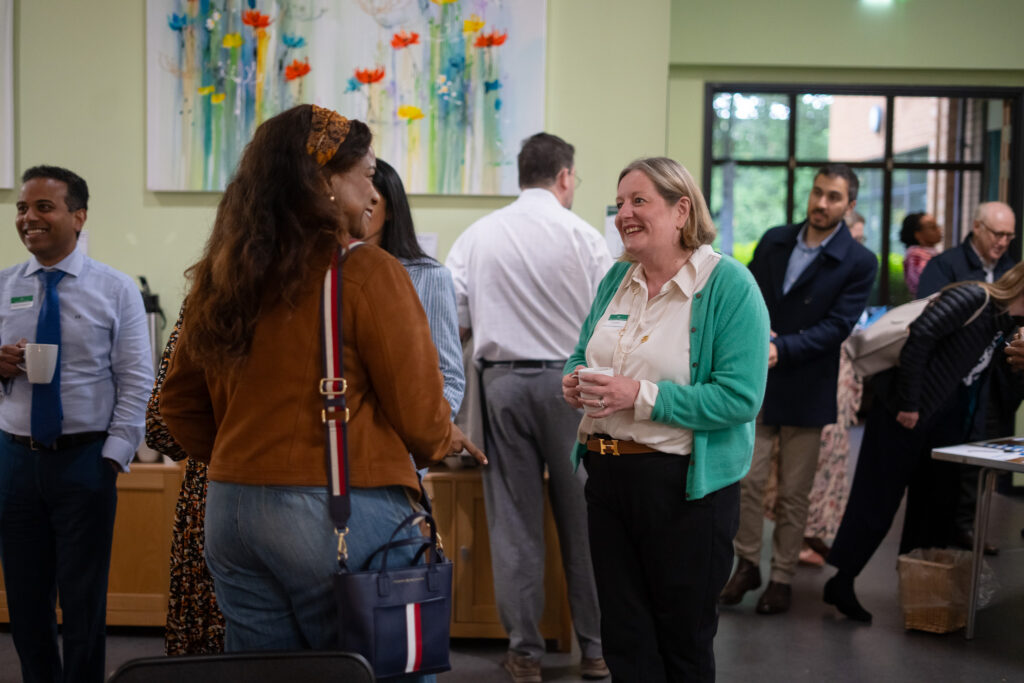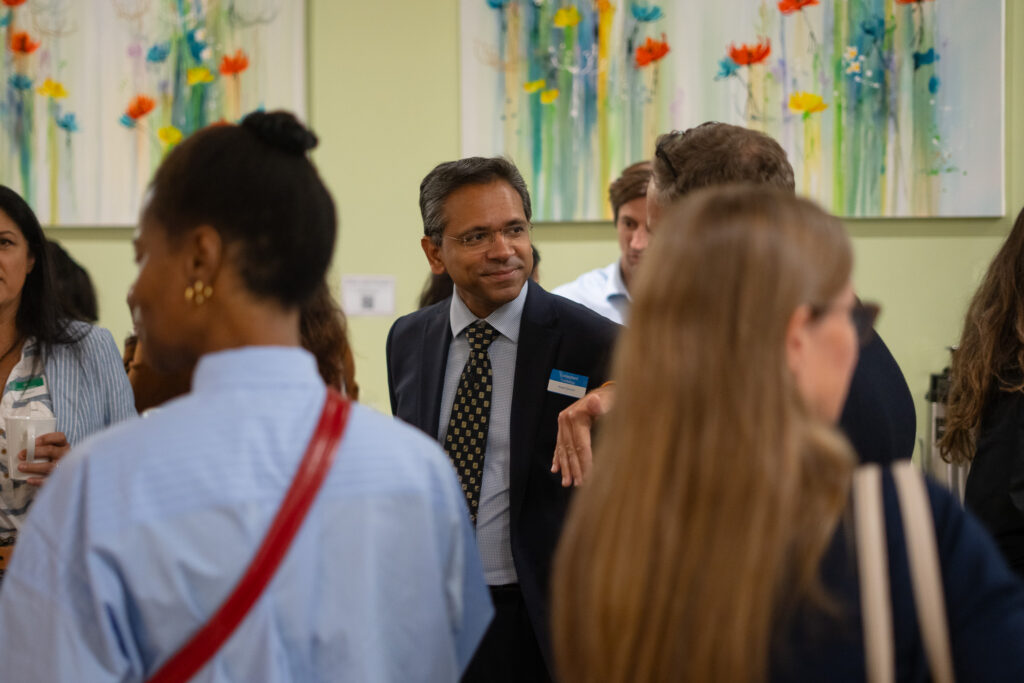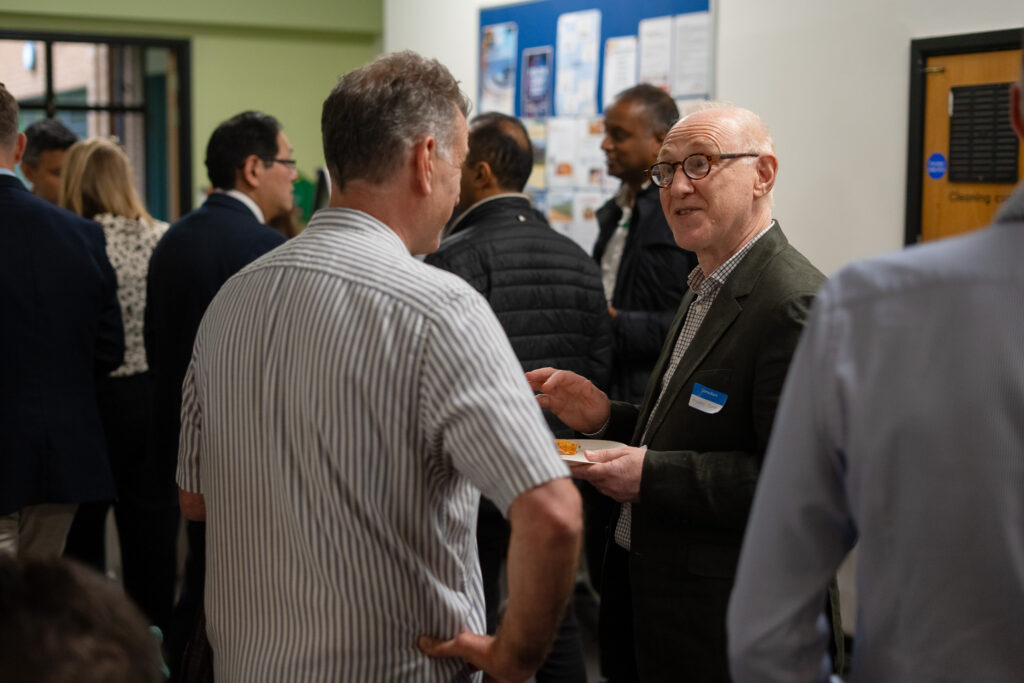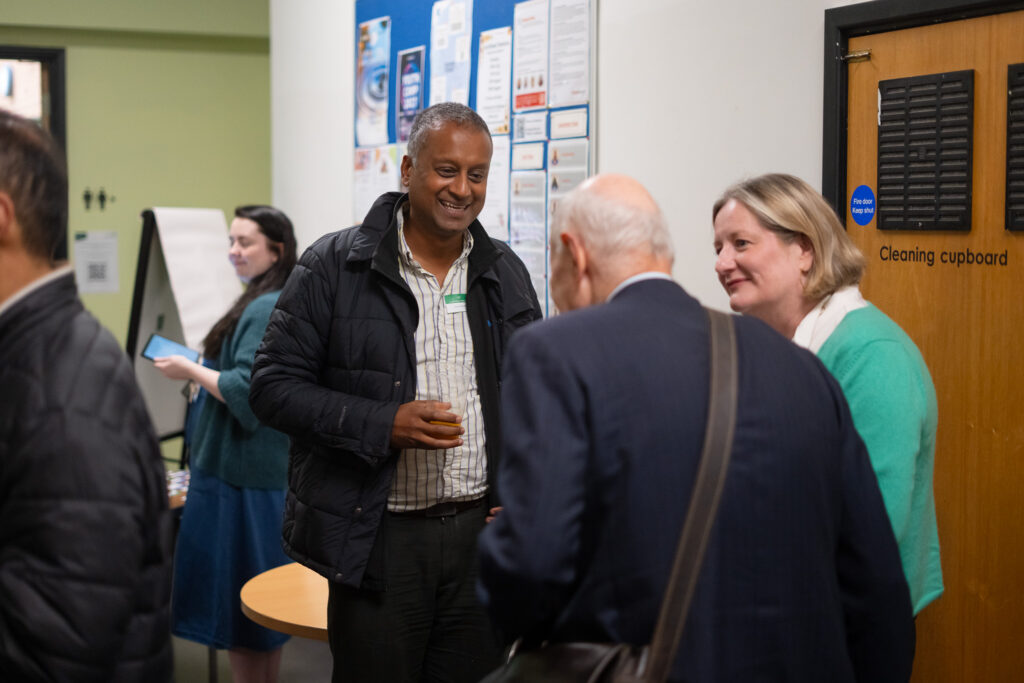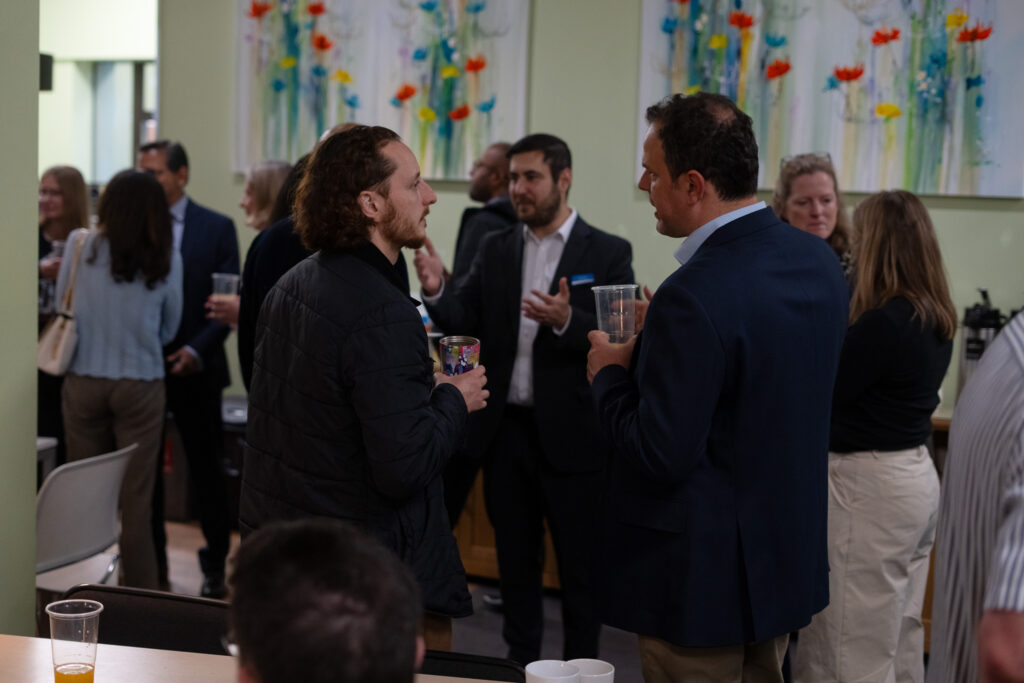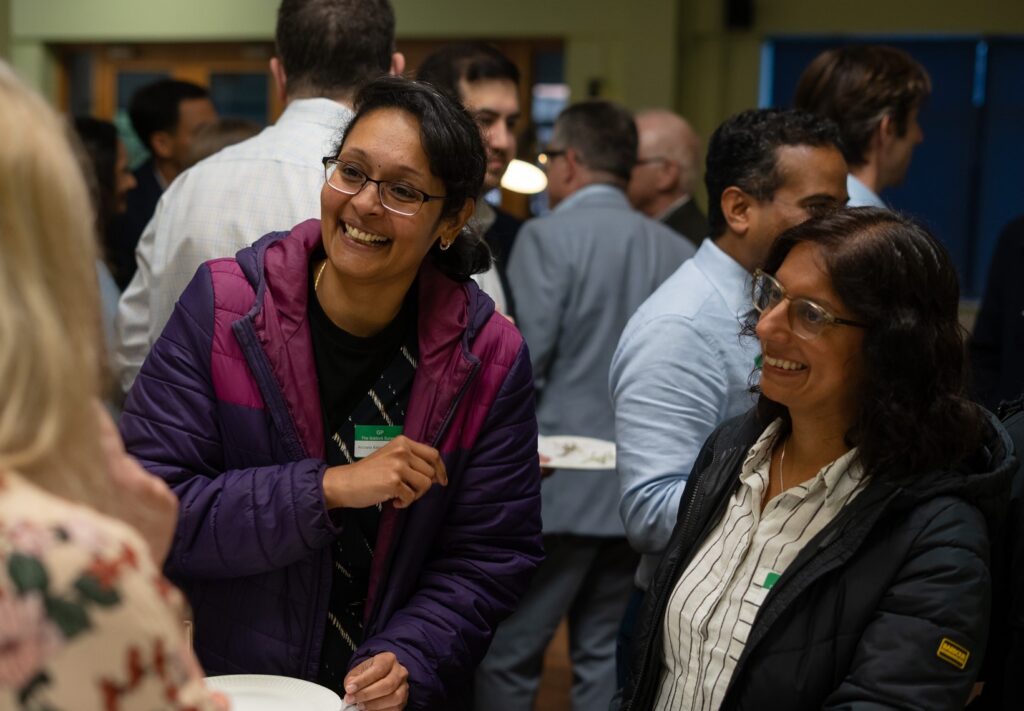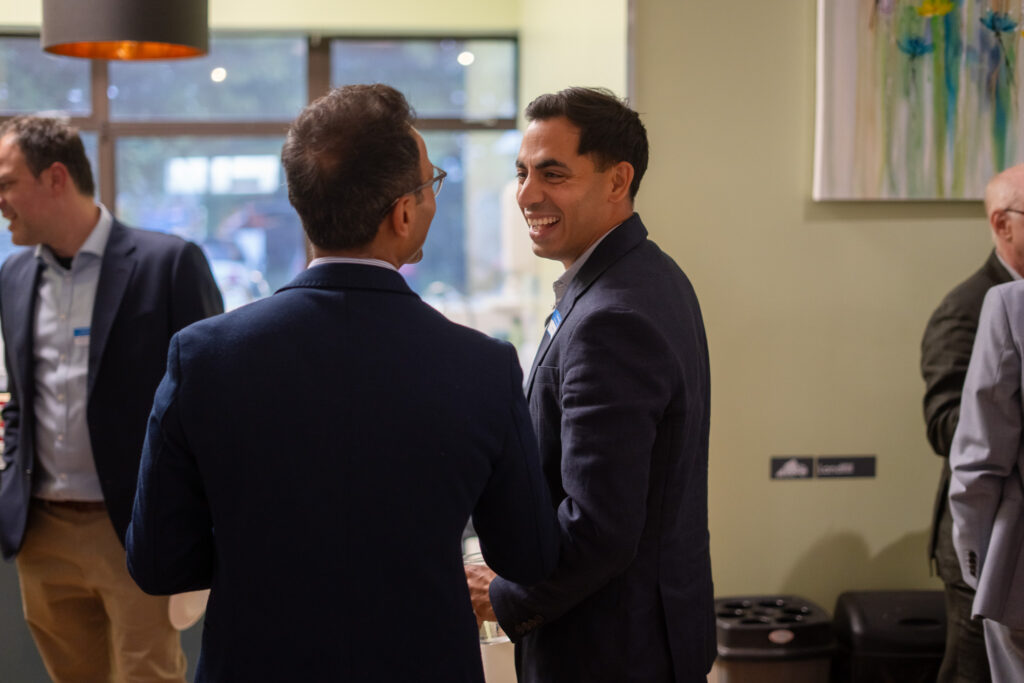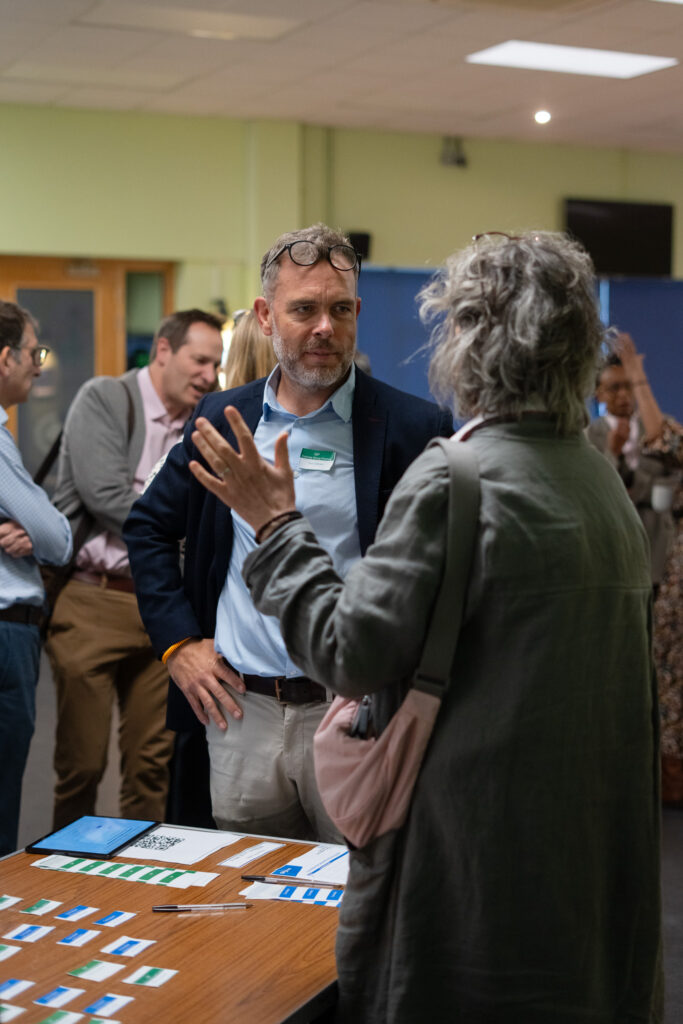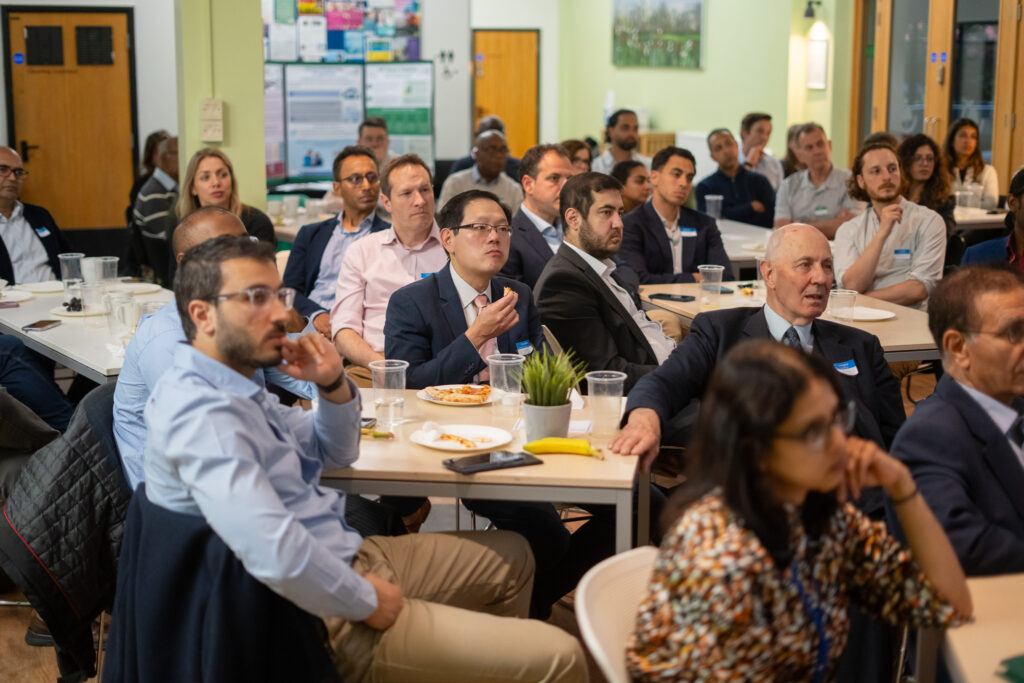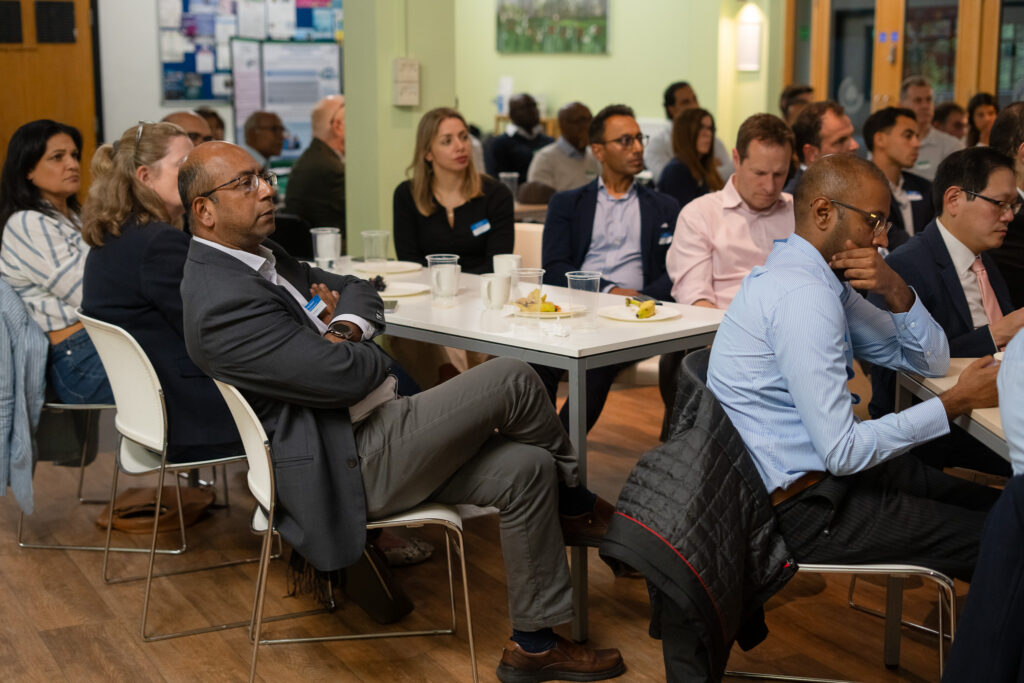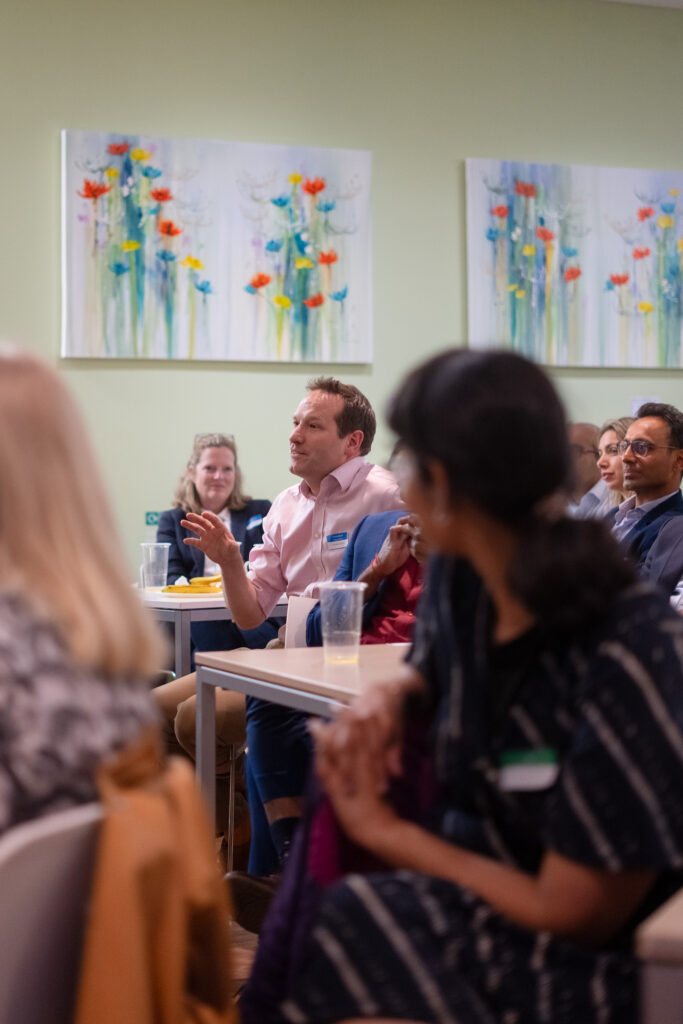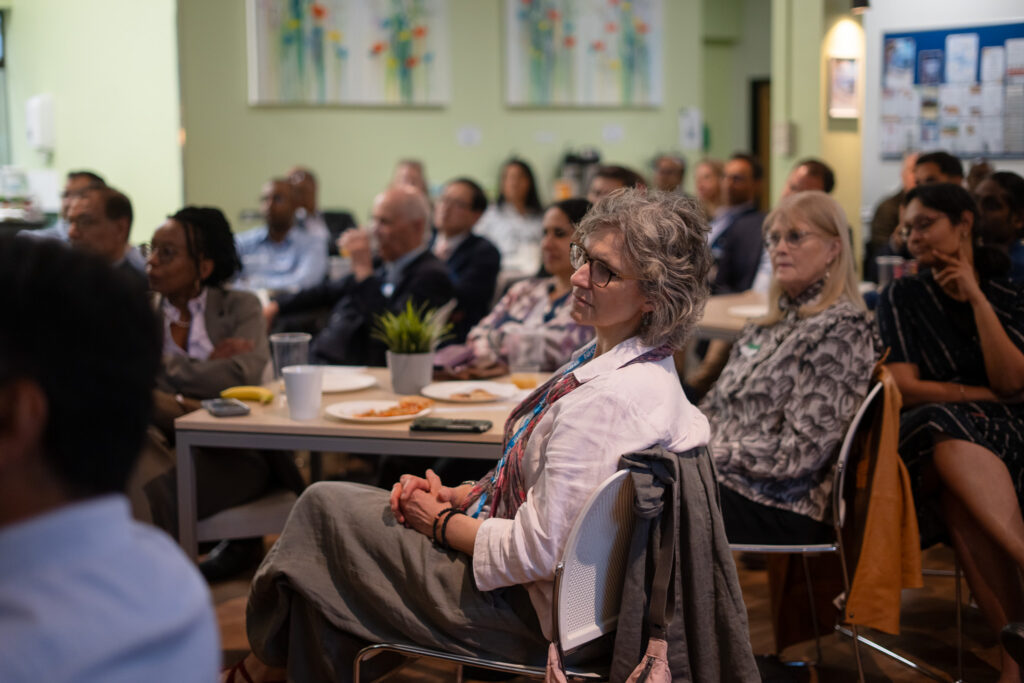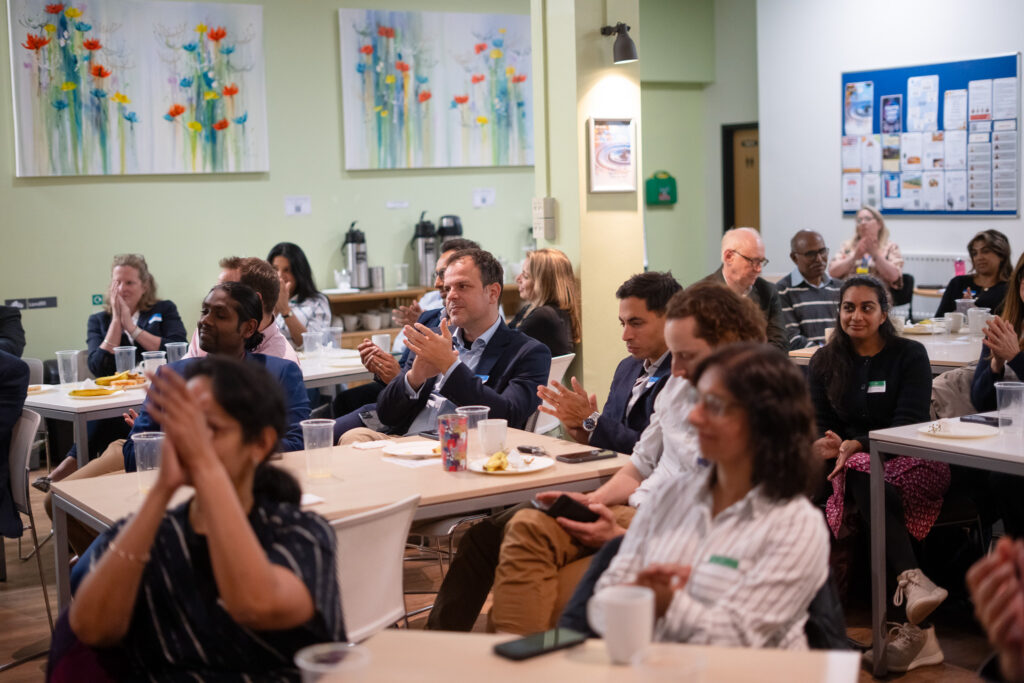
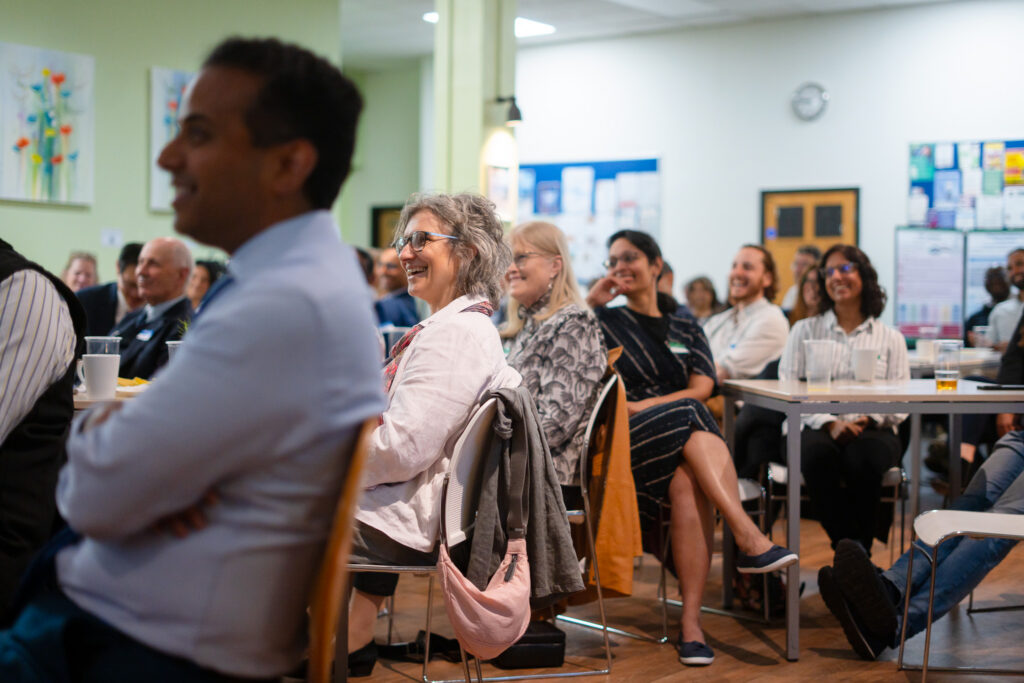
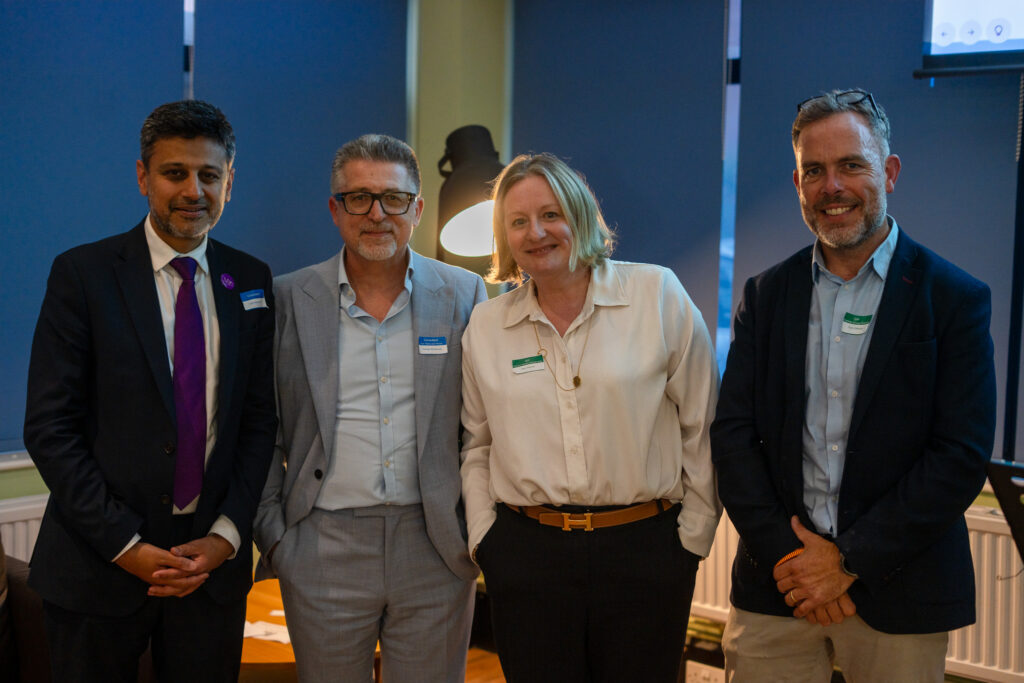
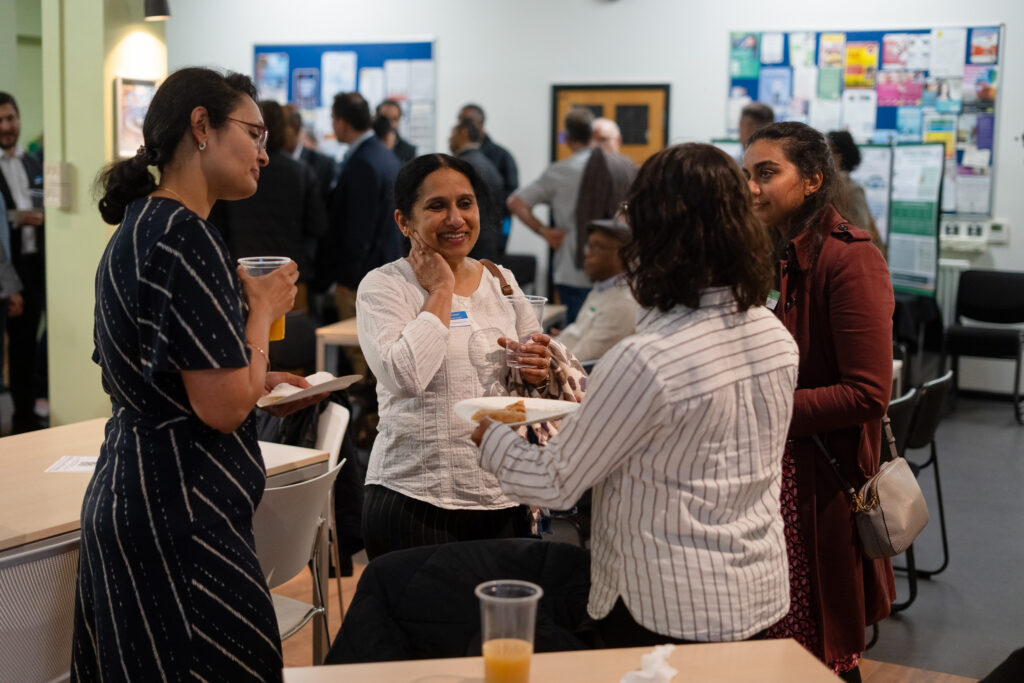
Colleagues from across East and North Hertfordshire came together on 11 June for a Consultant–GP Networking Evening, bringing primary and secondary care clinicians into one space to connect, share perspectives and explore how we can work more effectively together for our patients.
The evening combined dedicated time for conversation and relationship-building with contributions from a number of prominent speakers, who shared perspectives on the future of the NHS and how we can work more effectively across organisational boundaries.
The event brought together 50 clinicians from across the system, including GPs representing 16 local practices and consultants from 18 specialties, creating a valuable opportunity to hear a wide range of views and experiences.
Dr Thomas Gillham, local GP and Associate Medical Director for Primary Care, hosted the evening, guiding the discussion and helping to create an open, engaging atmosphere. He also led an interactive Menti session, giving attendees the opportunity to share their views in real time and shape the conversation, further encouraging participation and collaboration across the room.
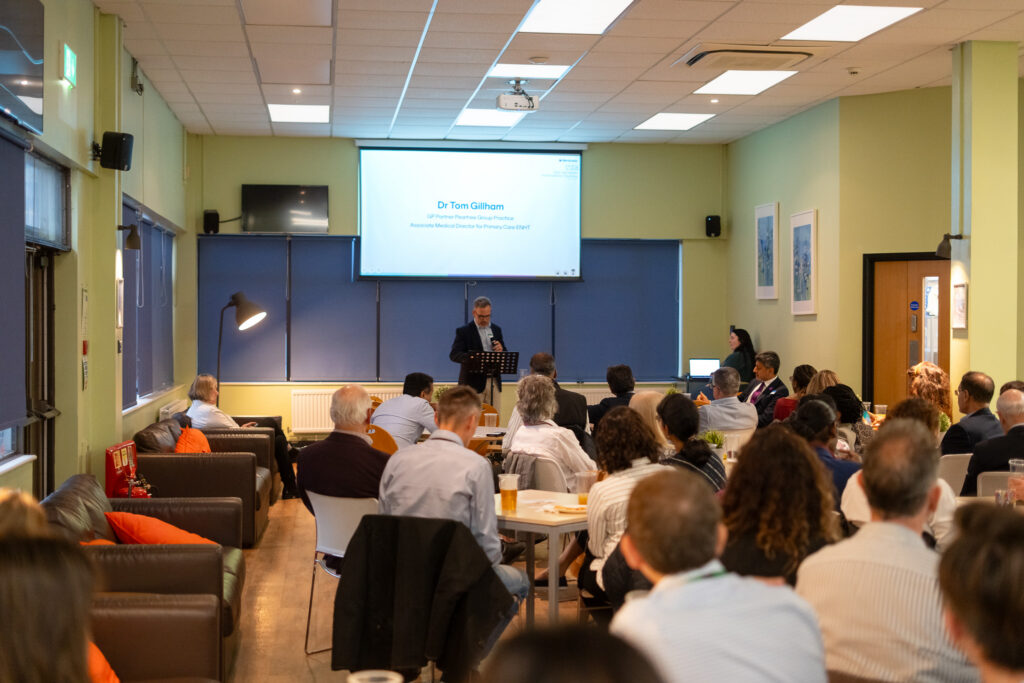
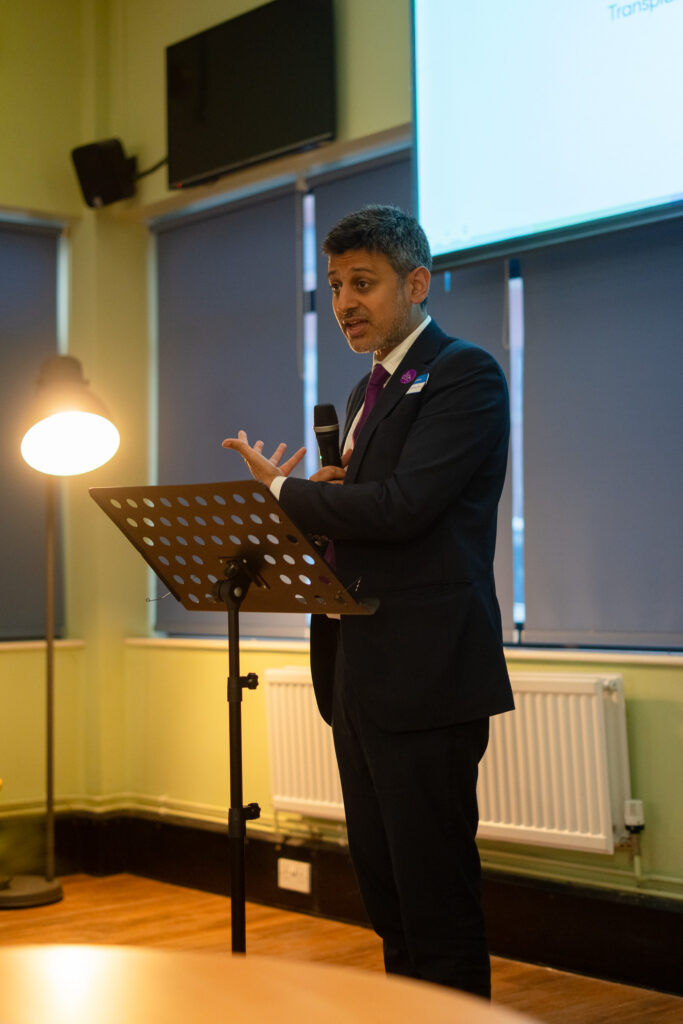
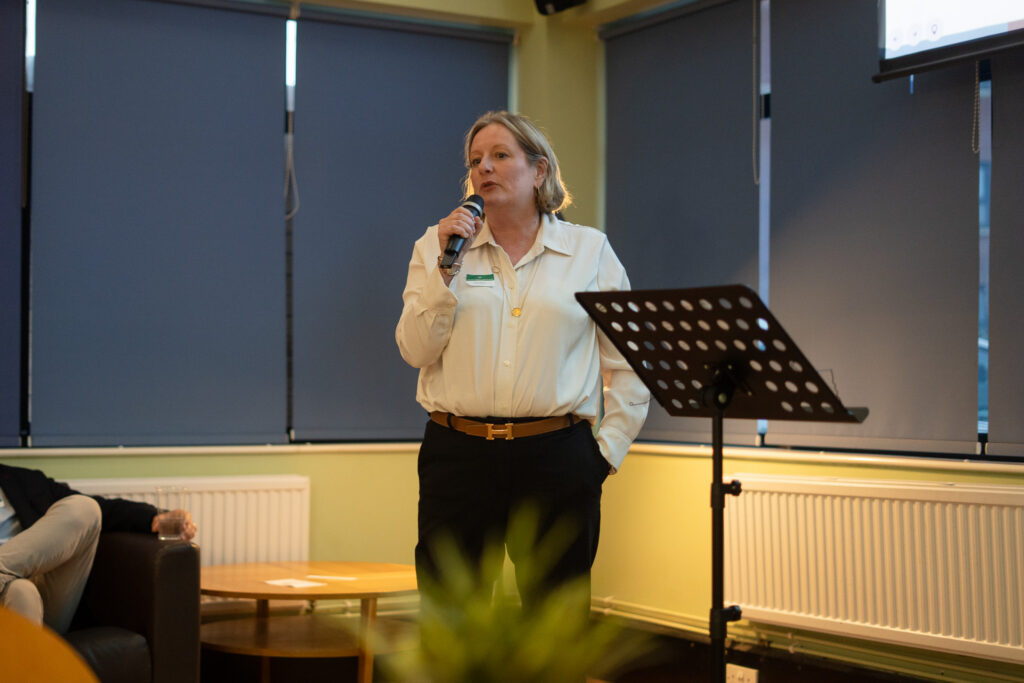
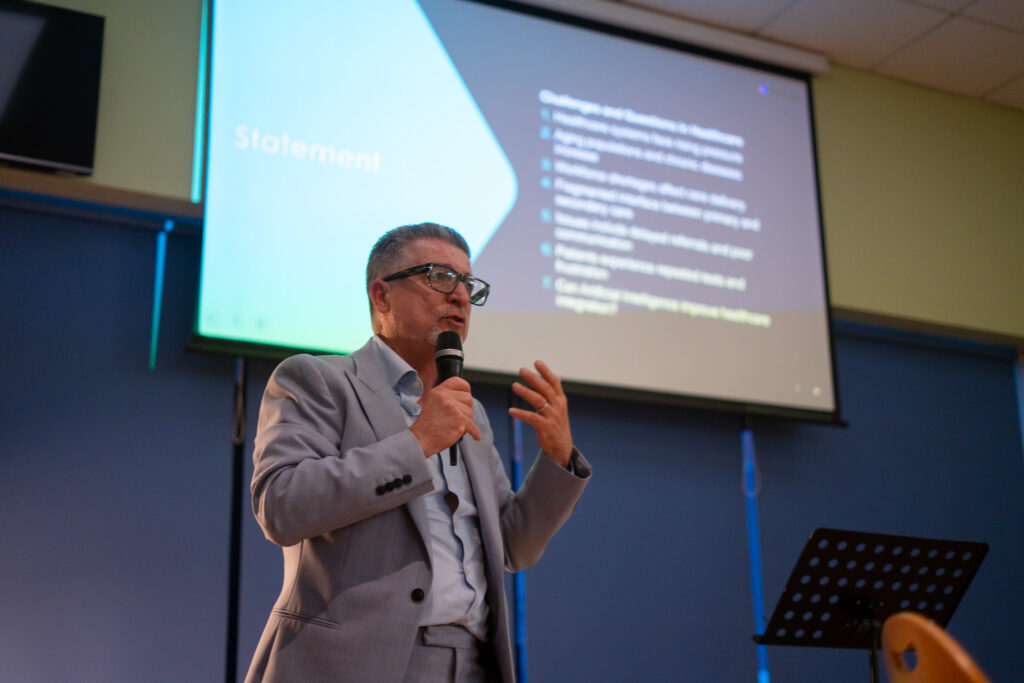
The evening featured contributions from a range of experienced and influential speakers, including Dr Zubir Ahmed MP, a transplant and vascular surgeon and former Minister for Health Innovation; Dr Sian Stanley, a local GP partner and national leader in integrated neighbourhood care; and Mr Georgios Mochloulis, Consultant Surgeon and Associate Medical Director at the Trust. Together, they brought perspectives from national policy, system leadership and frontline clinical practice, helping to frame the discussion around innovation, collaboration and the future of NHS care.
The event also provided an opportunity to step away from day-to-day pressures and focus on the bigger picture – how we respond collectively to rising demand, changing patient expectations and workforce challenges across the NHS.
A shared vision for the future
Across all speakers, a clear and consistent message emerged: the NHS is at a point of significant change, and collaboration across organisational boundaries will be essential.
There was strong emphasis on moving towards a more integrated model of care, with primary care, acute trusts, community services and partners working towards shared outcomes rather than operating in isolation. Fragmentation and siloed working were recognised as key barriers to progress, with a collective ambition to strengthen alignment across the system.
Shaping a modern NHS
Digital transformation and innovation were central themes throughout the evening. Speakers highlighted the growing role of technology – including AI and integrated data systems – in shaping future care pathways.
One of the ambitions discussed was the development of more connected patient records, addressing long-standing challenges in information sharing across services. At the same time, there was a strong message that clinicians must play an active role in shaping these changes to ensure they work for both patients and staff.
Alongside this, the importance of prevention, population health and managing demand differently was highlighted, particularly in the context of an ageing population and shifting societal behaviours.
Working differently across the system
Discussions also focused on the need to move from activity-driven models of care to approaches that prioritise outcomes. This includes closer working through neighbourhood teams and exploring ways to deliver more care in community settings.
Examples shared demonstrated how aligning incentives, pathways and resources across organisations can support better patient outcomes while reducing pressure on NHS services.
Keeping people at the centre
While much of the discussion focused on systems and innovation, one of the strongest messages from the evening was that the NHS’s greatest strength is its people.
The commitment, experience and compassion of staff – across both primary and secondary care – remain fundamental to delivering high-quality care. Ensuring future changes support and empower staff was seen as critical to success.
The value of connection
Feedback from attendees highlighted how important it was to have the opportunity to meet colleagues face-to-face, build relationships and share experiences across different parts of the system. Many described the networking element as one of the most valuable aspects of the evening, helping to break down barriers and foster stronger working relationships.
The event was very well received overall, with high ratings for organisation, speaker quality and engagement, and strong interest in future events.
Looking ahead
There is clear enthusiasm to continue creating spaces like this, where colleagues can come together to collaborate, learn from each other and shape the future of care locally.
By strengthening connections between primary and secondary care, we can continue to build a more integrated, effective and patient-centred NHS for our communities.
Register your interest in attending a future networking event
Event photo gallery – 11 June 2026