

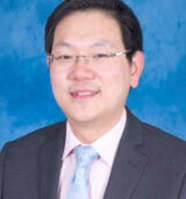
This Endometriosis Awareness Month, we spoke to Mr CP Lim – a Consultant Gynaecologist at our Lister Hospital – about the misconceptions of endometriosis, and where to get support.
I often meet women who have been living with pain for years before anyone has put a name to it. Many tell me they were reassured that their symptoms were “normal”, or that it was just part of having periods. But when the pain takes over their lives, making them unable to do the things they wish to do, it is frequently caused by endometriosis.
Endometriosis occurs when tissue similar to the lining of the womb is found outside the womb, around the abdominal wall, ovaries, bowel or bladder. This tissue responds to hormones and causes inflammation, pain and scarring. It is important to be clear that endometriosis is not just bad period pain. It can often affect daily life, education, work, relationships and mental health. It is very common as 1 in 10 women have endometriosis, though not everybody needs to be on treatment or have an operation.
Symptoms vary widely. Alongside painful periods, people may experience persistent pelvic pain, pain during or after sex, cyclical bowel or bladder symptoms, fatigue, and pain associated with menstrual cycle discomfort which may extend beyond the pelvis.
“But it’s just a very bad period, isn’t it?” people often think. Perhaps this is why the current average time in the UK to receive a diagnosis is a staggering nine years and four months! Symptoms can begin as early as puberty. Although it is uncommon to see younger people with endometriosis, this may be because endometriosis can take years to become obvious on scans, at surgery or in GP appointments.
Sometimes endometriosis is only discovered when women are struggling to get pregnant. Although this makes us think that endometriosis can make it difficult to have children, the majority of women with endometriosis get pregnant and have children without any problems at all. So just because someone may have endometriosis, there is no need to expect that they will not be able to get pregnant when they are ready to do so. Only see a doctor about trying to conceive if it hasn’t happened after 12 months, regardless of whether or not you think you have endometriosis.
There are plenty of things that can be done for women with endometriosis. Treatment focuses on improving quality of life and managing what is most important to the woman. This may include hormonal treatments, pain management, surgery, or fertility treatment. Care will be individualised because everybody’s priorities are different. If you feel you need help, listen to what your GP has to offer and request an onward referral to gynaecology if appropriate. We are always happy to listen.
Breaking the silence around endometriosis is vital. Severe or persistent pain is not something to simply put up with. Just because women have painful periods, it doesn’t mean they have to always put up with them. Earlier conversations and greater awareness, can reduce delays, validate experiences and help people access support sooner.


