It’s Breast Cancer Awareness Month and Consultant breast cancer and reconstructive surgeon, and our Clinical Director for breast cancer surgery Harleen Deol explains the importance of early detection
Breast cancer is the most common cancer in the UK, with over 56,000 women diagnosed every year and 1 in 7 women diagnosed in their lifetime. While medical and surgical advancements have significantly improved treatment options over recent years, early detection remains the most critical factor. When detected early, the five-year survival rate can exceed 95%.
Unfortunately, many cases are still diagnosed late due to lack of awareness, not going to mammogram appointments or misunderstanding symptoms. Patients still get excellent treatment and survival outcomes are improving overall, but earlier detection saves lives.
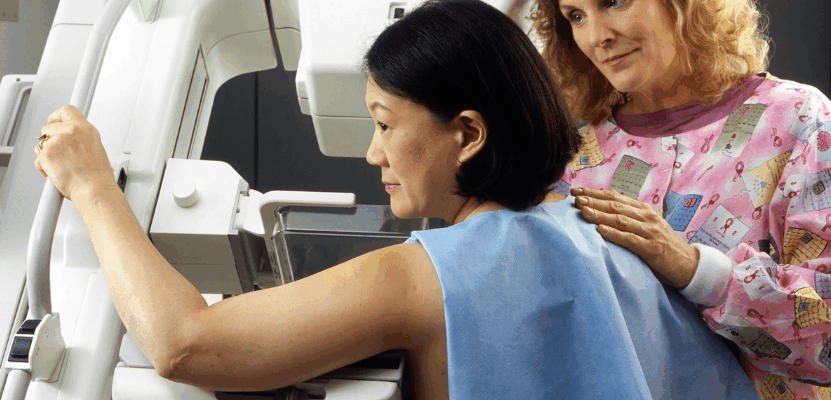
One of the most effective tools for early detection is the screening mammogram that can detect abnormalities in breast tissue before a lump can even be felt. But, not all breast cancers show up on mammograms so it’s vital for women to check their breasts, so they can detect any change and seek medical attention quickly.
The national screening programme offer women aged 50 to 70 a mammogram every 3 years but breast cancer incidence is increasing in women under 50, making self- examination even more important.
The commonest breast changes:
- a new lump or thickening in your breast or armpit
- a change in size, shape or feel
- skin changes such as puckering, dimpling, a rash or skin redness
- fluid leaking from the nipple in a woman who is not pregnant or breastfeeding
- changes in the nipple position
Having any of these symptoms is good reason to get checked by your doctor, but do not necessarily mean you have breast cancer as they can be caused by other, non-cancerous reasons. Another common symptom, breast pain, is not directly related to breast cancer.
I recommend adult women of all ages regularly examine their breasts:
- Undress and stand in front of a mirror. Raise your arms up above your head if you can
- Look at the smooth outline of the lower and side parts of the breast to check that one side looks similar to the other. We can’t see the bottom of our breasts when we look down, so this can be a useful way to get to know your breasts even better
- Press the breast with the flat of your hand using your fingers across the whole of each breast.
Ideally do this every month, a few days after your period has finished or set a reminder on your calendar. You can find further information on the CoppaFeel and Breast Cancer Now websites – they can even send you a free text reminder as we all forget now and then!
Lifestyle changes including maintaining a healthy weight, regular exercise, limiting alcohol intake and avoiding tobacco can also reduce your risk and we should all aim to get fitter and move more as we get older.
At the Breast Unit at the New QEII Hospital our team is dedicated to diagnosing and treating breast cancer with the best possible outcomes. It is my privilege to be able to help empower the women of Hertfordshire to be more breast aware!


